Cultural landscape

like a bad penny

What’s happening?

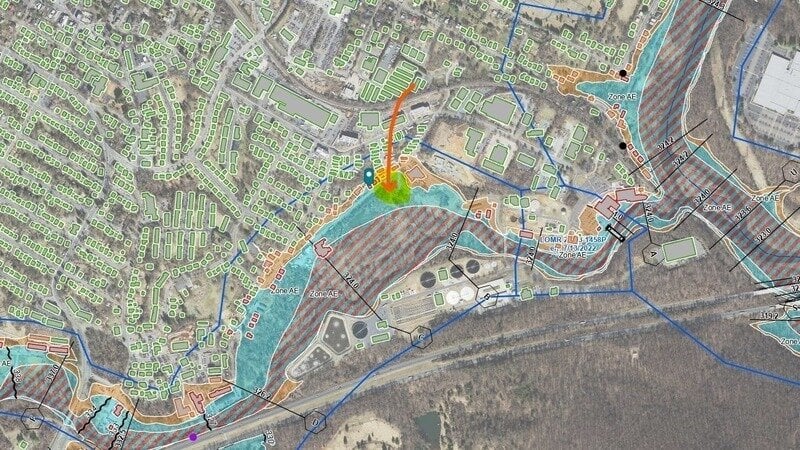
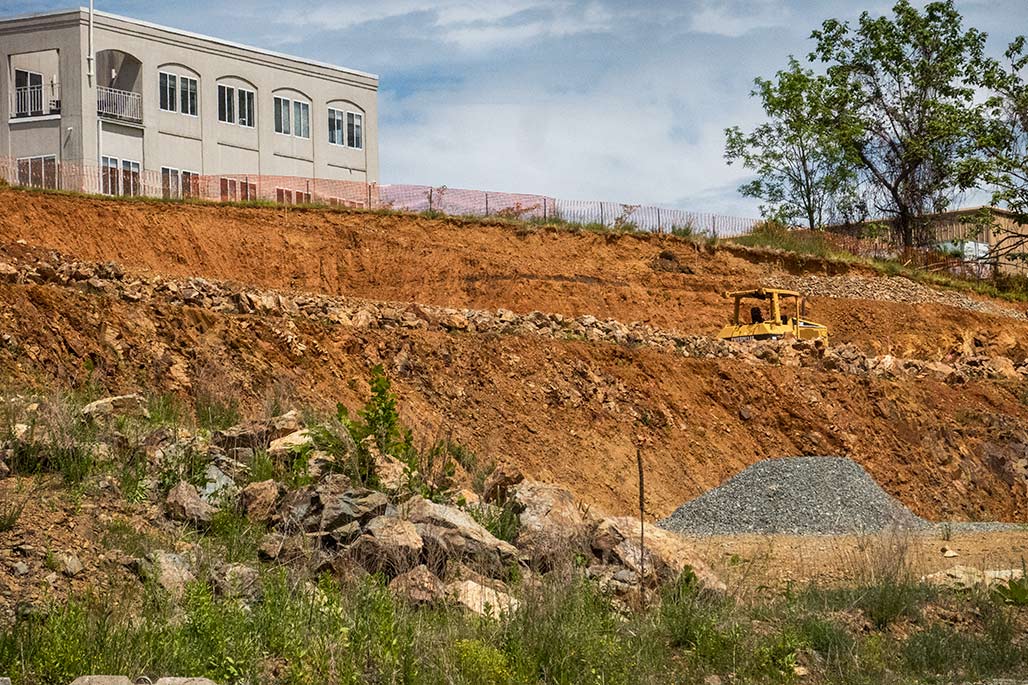
In June 2025, the Board of Supervisors denied a request to dump fill in the Moore’s Creek floodplain.
The developer is back with a revised plan: 4 buildings + parking on a site zoned Light Industrial (not residential, not mixed-use).

The developer is already approved for and building 160,000 sq feet of light industrial space on the steep slope that drains into this flood plain and into Moore’s Creek, which outlets into the Rivanna just beyond the Woolen Mills.
Planning Commission meets Tuesday, Dec. 16 at 6 PM (Lane Auditorium, 401 McIntire Rd). Final vote: Jan. 14, 2026

Visit for more information and sign petition

When the rules fail

Sec. 4.17.1 – Purpose.
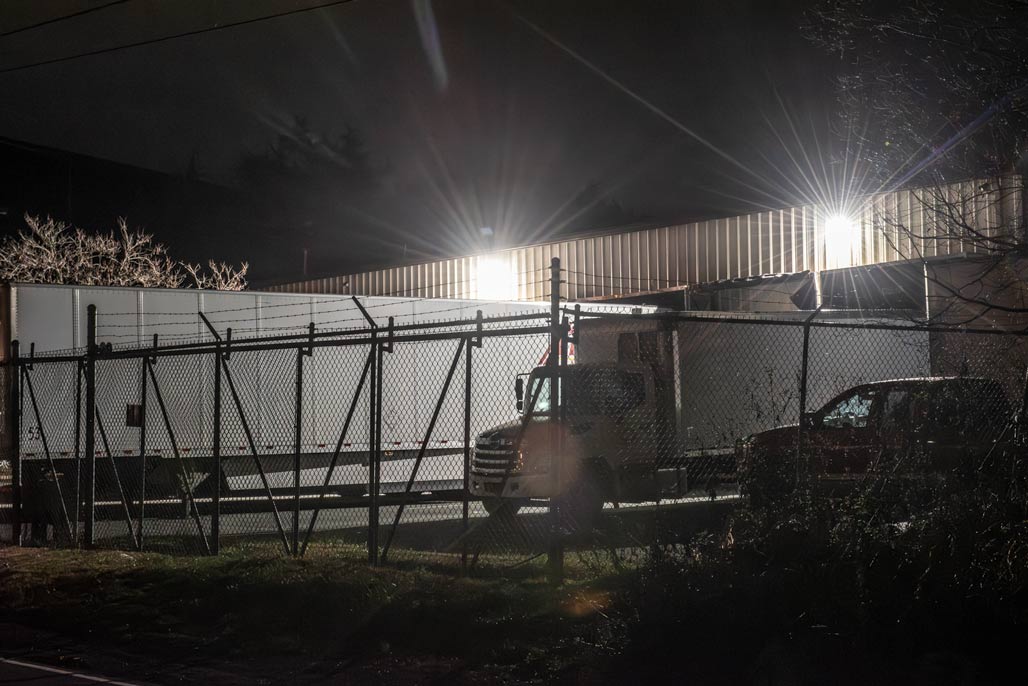
The purposes of these outdoor lighting regulations are to protect dark skies, to protect the general welfare by controlling the spillover of light onto adjacent properties, and to protect the public safety by preventing glare from outdoor luminaires. To effectuate these purposes, these regulations regulate the direction of light emitted from certain luminaires, and limit the intensity of light on certain adjacent properties, as provided herein.

The County of Albemarle has a lighting ordinance. The building pictured above is at 475 Franklin Street, in the County.

1. The spillover of lighting from luminaires onto public roads and property in residential or rural areas zoning districts shall not exceed one-half foot candle. A spillover shall be measured horizontally and vertically at the property line or edge of right-of-way or easement, whichever is closer to the light source. (Amended 10-17-01)
2. All outdoor lighting, regardless of the amount of lumens, shall be arranged or shielded to reflect light away from adjoining residential districts and away from adjacent roads. (Added 10-17-01)

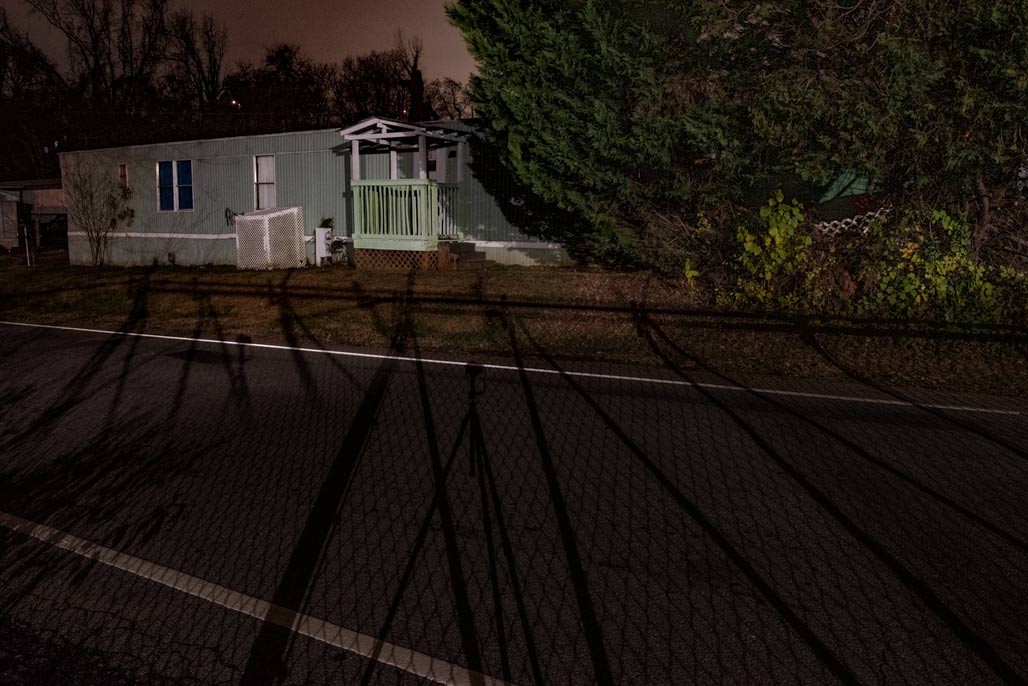
The residence pictured above is located in the City of Charlottesville across Franklin Street from the building with poorly designed lighting. Maybe the County rules only apply to light that falls in the County?

Transmutation. Gold to lead.

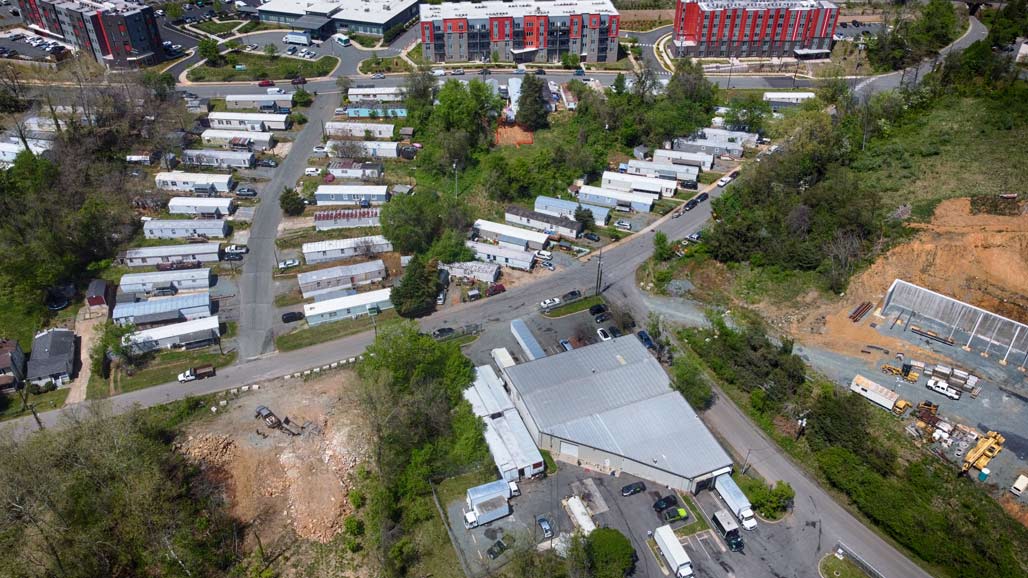
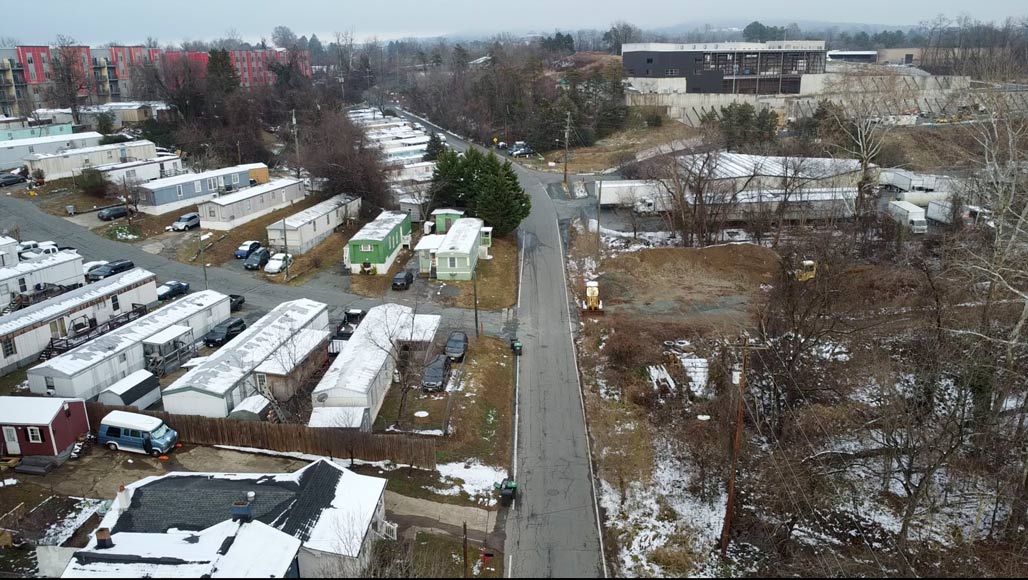
Photo from above the site looking south-west, Franklin Street wetlands to the left, City neighborhood to the right.

Photo from above the site looking north-west, working peoples’ homes.

Photo from above the site looking north-north-east

Photo from above the site looking down. Franklin street wetland to the left, a portion of the proposed site in the middle, Carter’s Breads to the right.

Photo from above Carter’s Breads looking south

I write regarding SP202400026, a request to grade and fill 1.5 acres of the Rivanna floodplain adjacent to the seven acre Franklin Street wetland conserved by the RWSA.
Biodiverse land adjacent to river systems, land which provides inestimable environmental services being zoned as “industrial” is an obsolete and ill-informed and destructive practice.
For decades the County’s policy has been to protect wetlands and floodplains wherever possible. Retaining and restoring land cover near streams is fundamental for biodiversity, water quality and the common good. Such conservation is a first rate example of the purpose and benefits of planning. https://law.lis.virginia.gov/vacode/title15.2/chapter22/section15.2-2223/
Typical site-specific studies and models almost always show flooding changes are projected to be minimal. However, the cumulative effects of reducing floodplains exact a price professional planning can avoid.
Just say no.


Tool Use

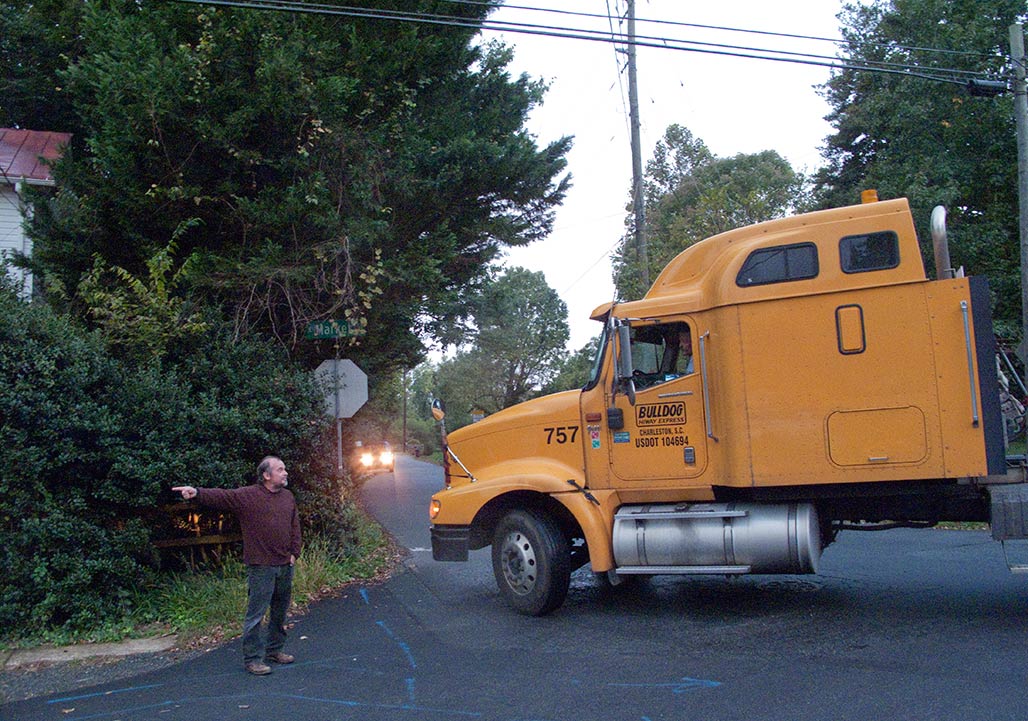
At this point the driver has failed to see several signs regarding street usage. Tell them, tell them again, tell them again

Zoning is a tool that legislators use to direct the day to day life in their territory. Zoning can be a glass of water for a thirsty person or club against the head of an enemy.
For 40+ years, neighbors have corresponded with legislators and folk in Government about Woolen Mills zoning. This year, an advisory board member responded (thank you Lyle) but otherwise, no member of the City Council, of the deciders, has chosen to engage us in conversation.

In 2000, for the Comprehensive Plan, NDS came to the neighborhood and requested input. It was a different era.

This post is a cursory examination of zoning when used without the consideration of The People whose neighborhood will be shaped by the zoning. We are interested in why zoning practice is repeatedly bad zoning practice. We interact and interact and little changes.

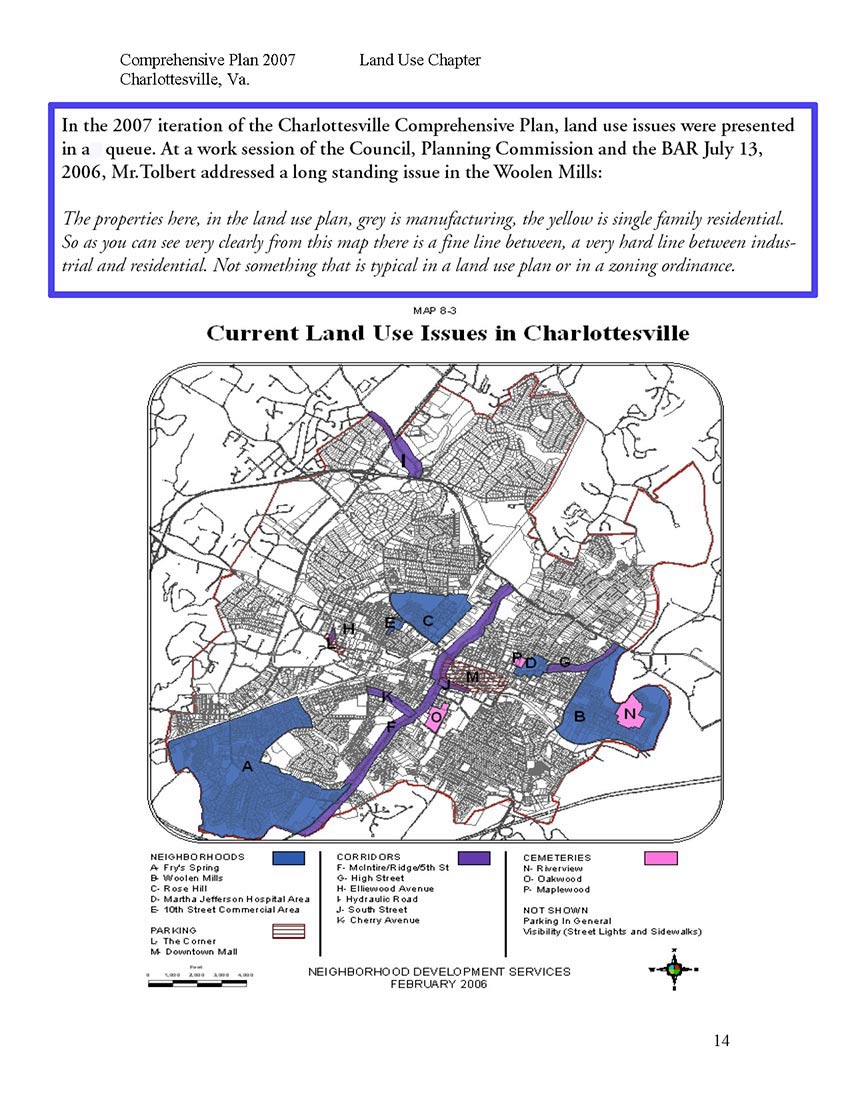
Mr.Tolbert on the “very hard line between industrial and residential.” Now the hard line is between IX-5, NX-3 and residential. Carrying forward the vision of Council from 1957.

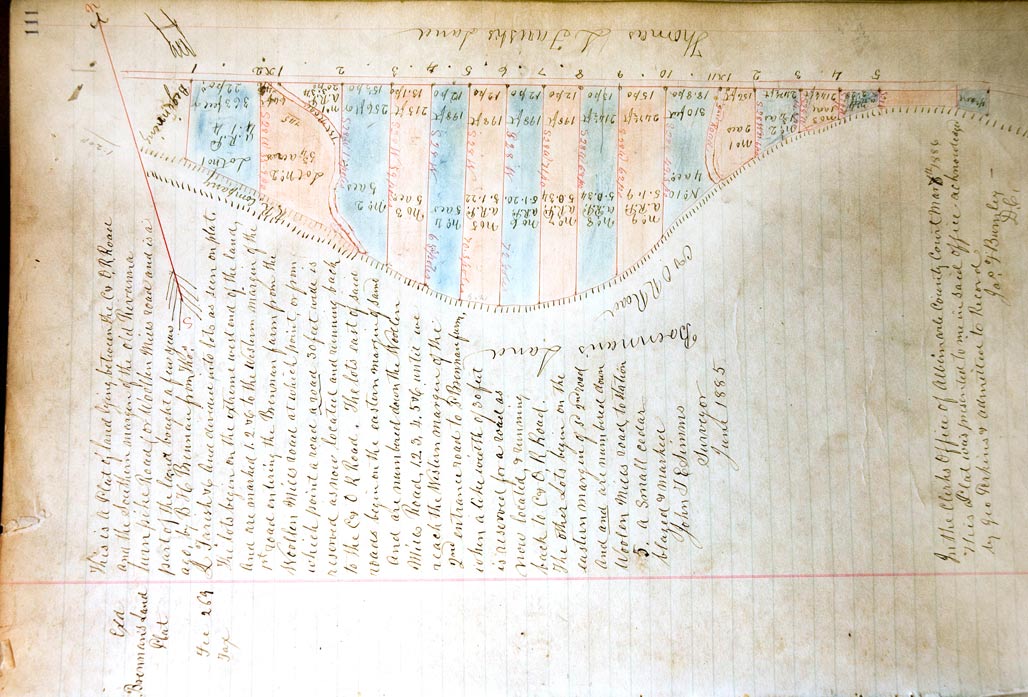
South of Market Street/Woolen Mills Road subdivision plat

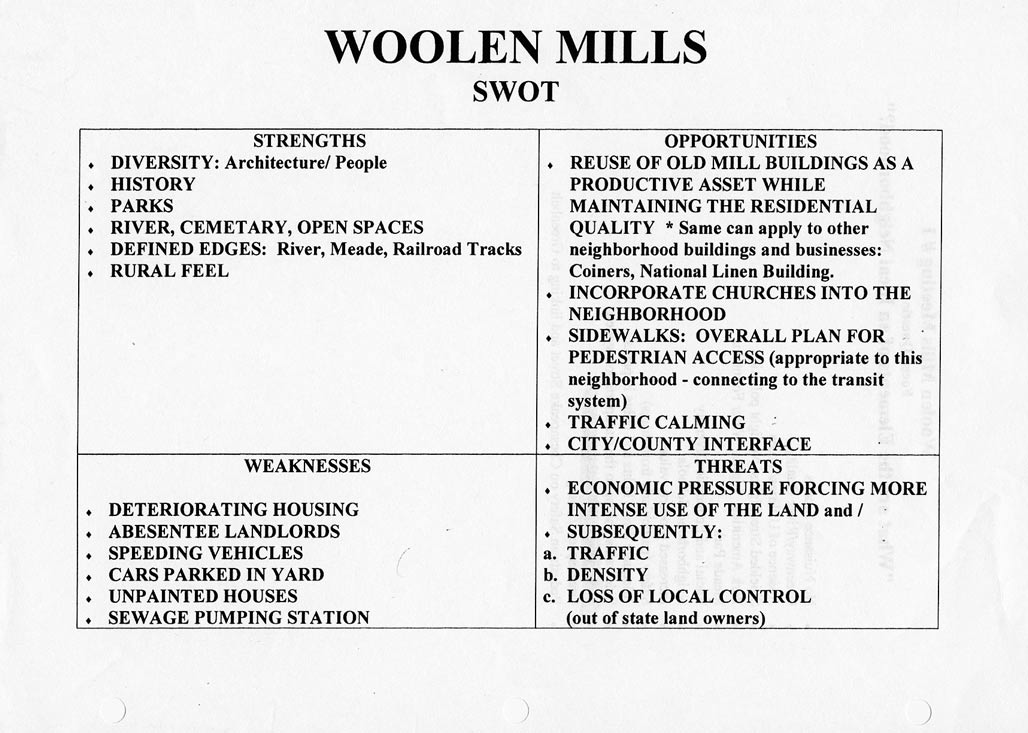
A neighborhood is a living thing composed of topography, culture, people, plants, pathways, businesses, animals and architecture. Neighborhoods require planning and care. It has been So Discouraging trying to obtain planning and care from our City. Neighborhoods are sensitive.
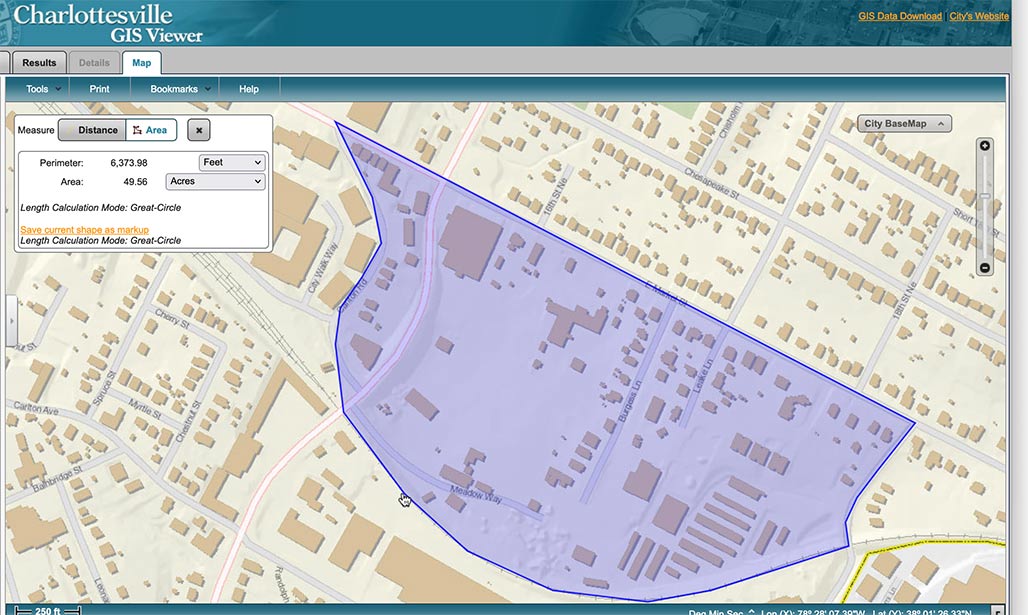
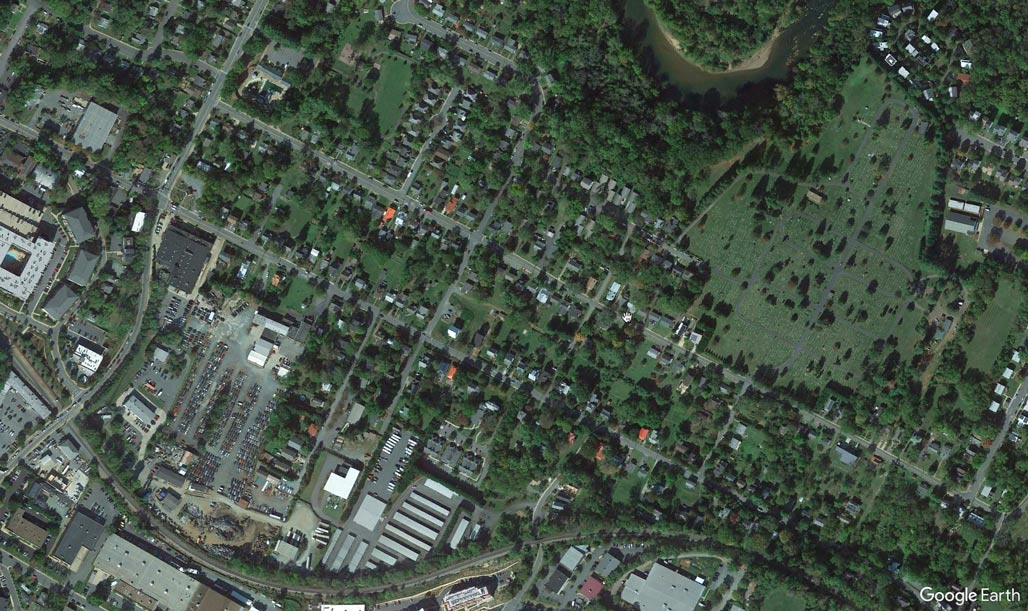
The land affected by split parcel zoning lies in the area of the Woolen Mills between Carlton Road and Franklin Street. It is the land north of the C&O railroad tracks and south of East Market. This acreage has been the seed for multiple conflicts in the past 35 years.

HBA

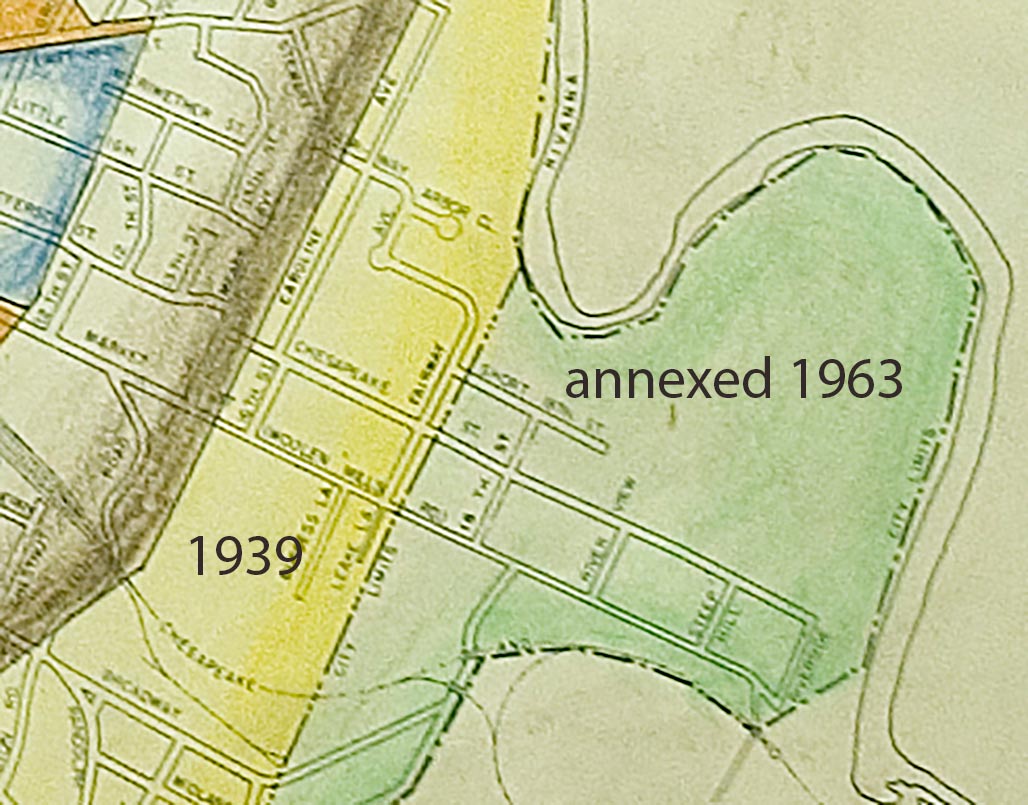
7 years before the annexation of the area in eastern Woolen Mills and Harland Bartholomew and Associates has a plan to line the south side of Market all the way to the Rivanna with Industrial.

In the beginning, In the 1950’s, around the time that Council approved Harland Bartholomew’s “Workable Program for Urban Renewal” they looked down the road with guidance from HBA and made decisions regarding future zoning of Woolen Mills backyards.

AlbCo adopted zoning in the late 1960s (1969?) Zoning wasn’t a concept familiar to Woolen Mills people, planning for the zoning was done to them in advance of the 1963 annexation. We are not aware of a public process.

xx

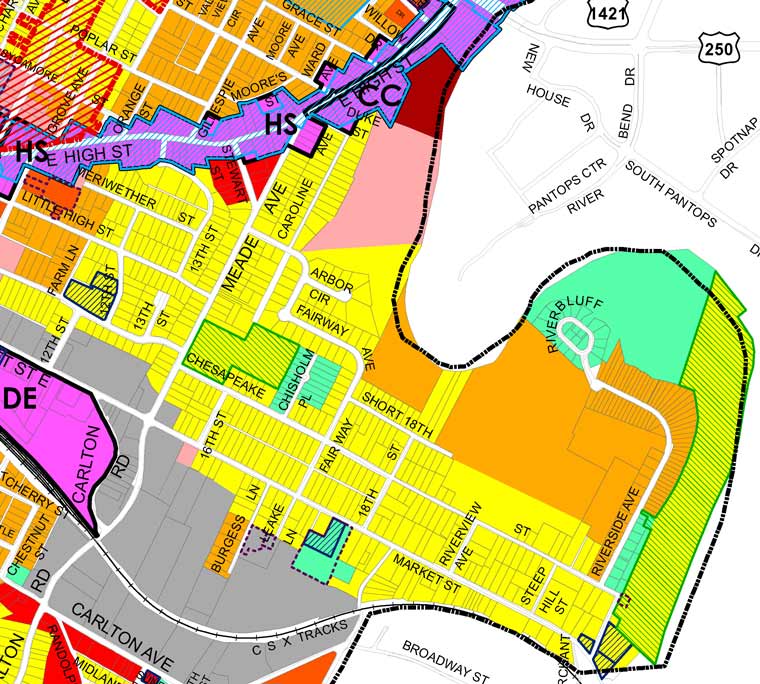
This is the region of split parcel zoning, residential in the north, industrial in the south.

xx

2013 ZM detail

With the passage of the decades the green residential boundary bordering the southern edge of Market Street has gradually been eroded.


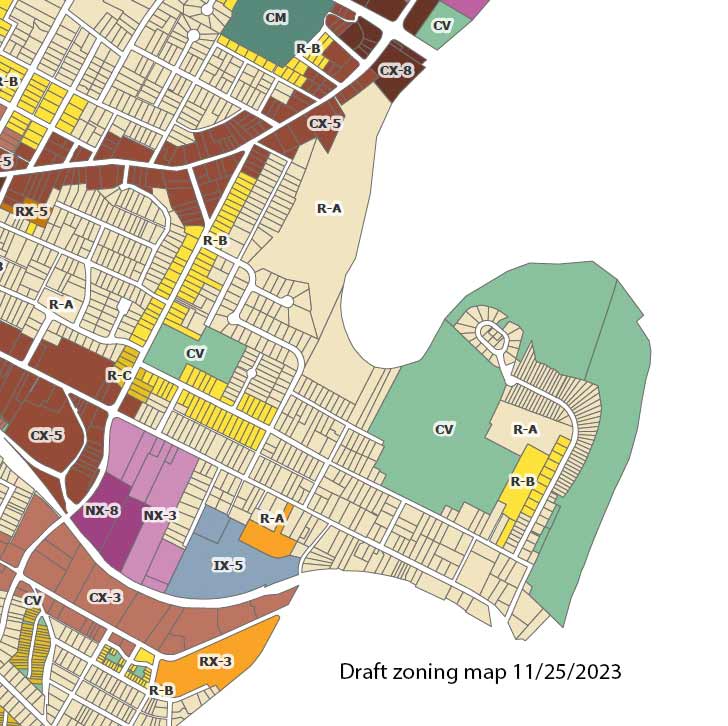
The proposed zoning map removes another 390 feet of the residential gateway to the neighborhood on the south side of Market. For decades we have fought lot by lot to determine the zoned future of the WMN.

xx


The current Council expresses the intention to remediate the damage done by their predecessors in the 1950s in selected neighborhoods. I wish that Council would act with an awareness that the damage of HBA’s planning advice extended beyond Charlottesville center city.
The split parcel zoning, residential contiguous to industrial, has resulted in numerous land use conflicts over the decades. Thousands of staff and resident hours have been invested in addressing the incompatible zoning district pairings in PUD, SUP, rezoning and BZA public hearings. There have been zoning violations and lawsuits. Neighbors have breathed particulates, smelled stink and been exposed to debilitating noise.

xx


The proposed zoning map needs adjustment in the Woolen Mills neighborhood.
1-pause the proposed Woolen Mills R-B zoning to avoid displacing current residents and motivating the destruction of modest homes. Talk to those who will be affected!
2-abide by the mapping logic and hold with NX-3 zoning instead of NX-8 for the Wright’s property. No ten story buildings at present!
3-Complete the Small Area Plan (SAP) formally requested by Joe Rhames on behalf of the Woolen Mills in August 1988 before up-zoning Woolen Mills residential properties beyond R-A.

Local News

Rivanna River

Rivanna River

honey truck

septage hauler

Tomorrow night, City Council is expected to officially refer the new “Development Code” to the City Council.
Local journalist Sean Tubbs is interested in receiving community responses to a line in the staff report which accompanies the Development Code, it reads:

“There has been extensive community engagement over the entire time period of the Cville Plans Together process as well as specifically in relation to the Zoning Ordinance,”

Please let Mr. Tubbs know what you think.

230807 staff report

visualization Chesapeake and Meade


Since the city and consultants first introduced the Future Land Use Map in 2021, right up until the most recent pop-ups held by consultants and NDS on the Draft Zoning Ordinance (DZO), residents have asked for visualizations of what actual Charlottesville streetscapes could look like under the new regulations. Neither the city nor its consultants have obliged. We believe that while visualizations do not function as arguments for or against the DZO, they are an indispensable tool for residents trying to form an opinion on various aspects of the proposal. We have therefore prepared several simulated visualization of specific blocks in Charlottesville — both to provide the tools that residents asked for and didn’t get and to show that there was no difficulty involved in preparing visualizations that could have reasonably prevented a competent consultant or NDS department from providing them. You can find the videos below. We anticipate the we will add more over time. If you have an area for which you’d like to see a visualization, please reach out to us via email. Please bear in mind that the purpose of the videos is to help give viewers a concrete sense of height, massing and coverage. These are not architectural renderings or surveys and are necessarily approximate. We do not suggest that the generic 3D models we used are predictive of the architectural styles developers would use or that the blocks we simulate are more likely than others to be redeveloped.–A Nonymous

The houses on Meade and Chesapeake that are to be loaded with R-B and R-C zoning are and have traditionally been the houses of working people. They are peoples homes.

petition to dial back proposed zoning

Changeless change

City County boundary

Franklin Street is the City County boundary.

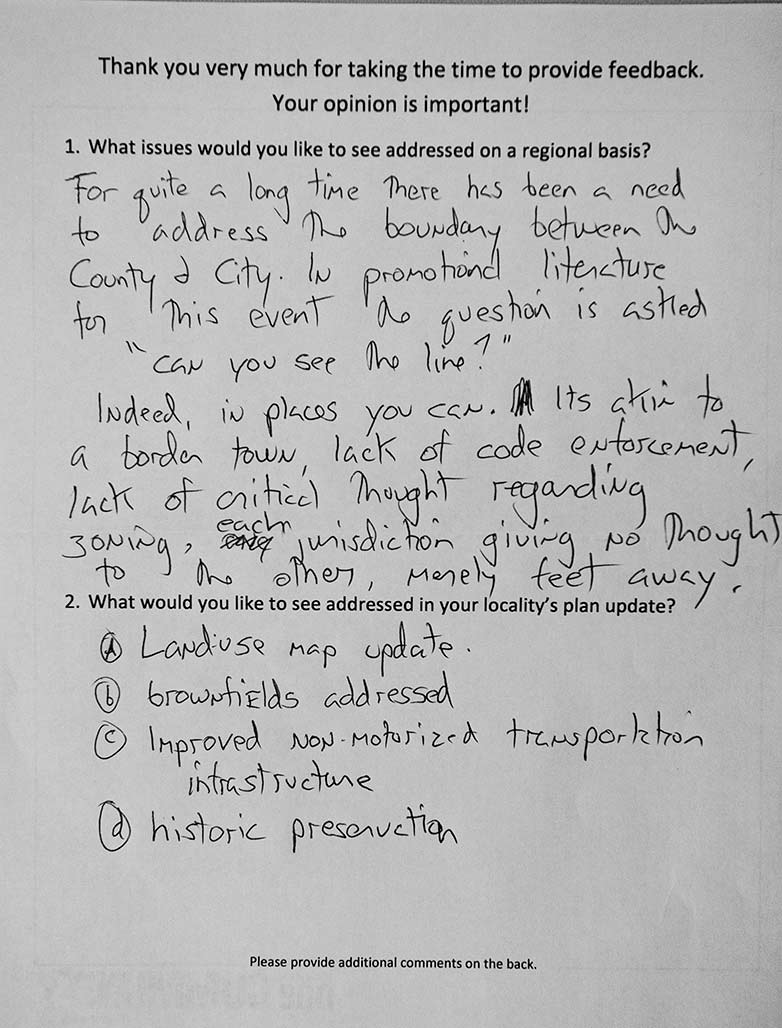
Many plans, one community, an aspirational name for a government program, Charlottesville and Albemarle syncing the development of their Comprehensive Plans. The request for comment form from a meeting in April 2011. Much remains to be fixed.

bye bye


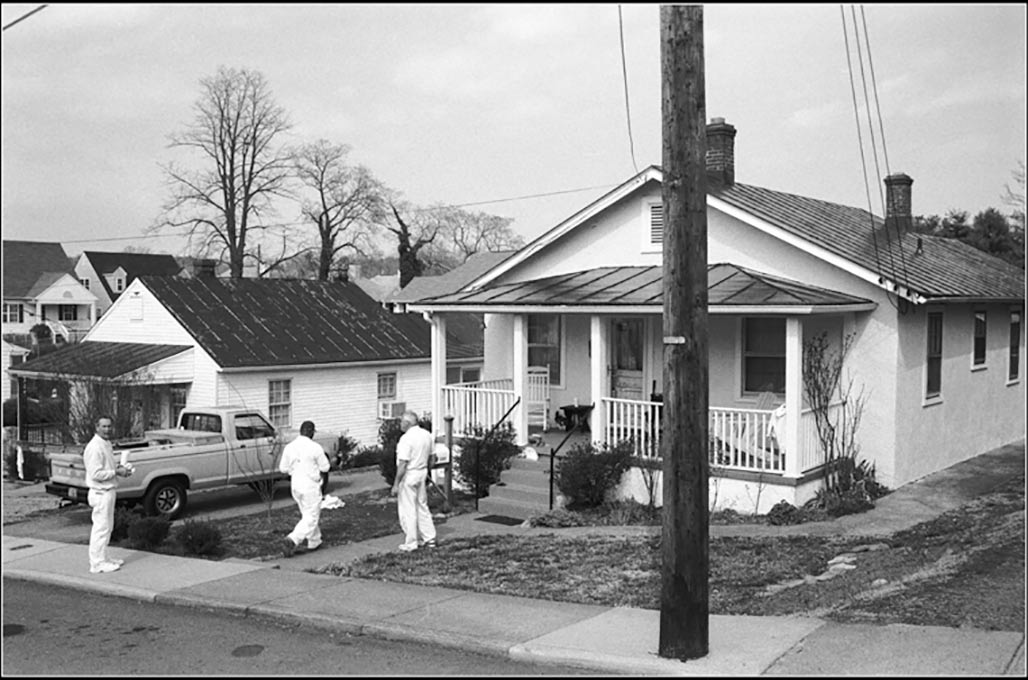
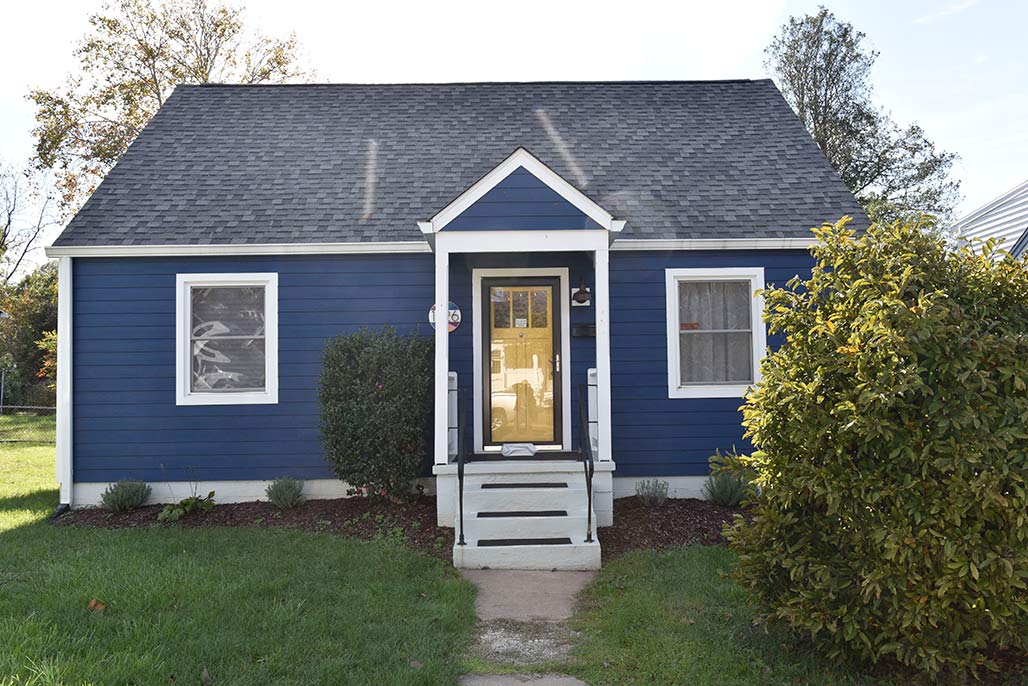
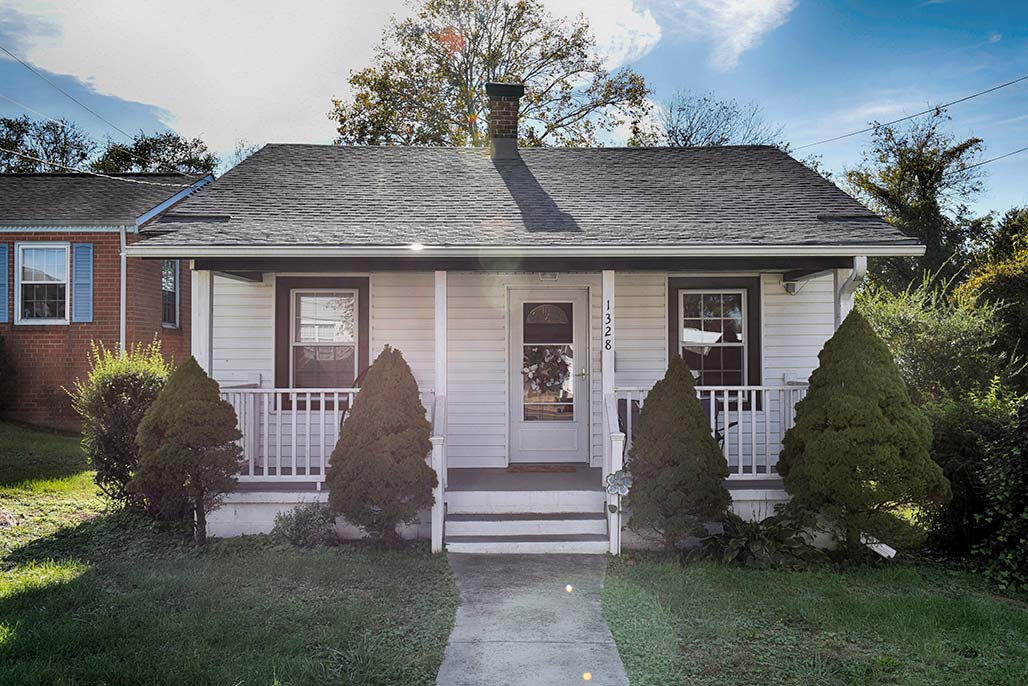
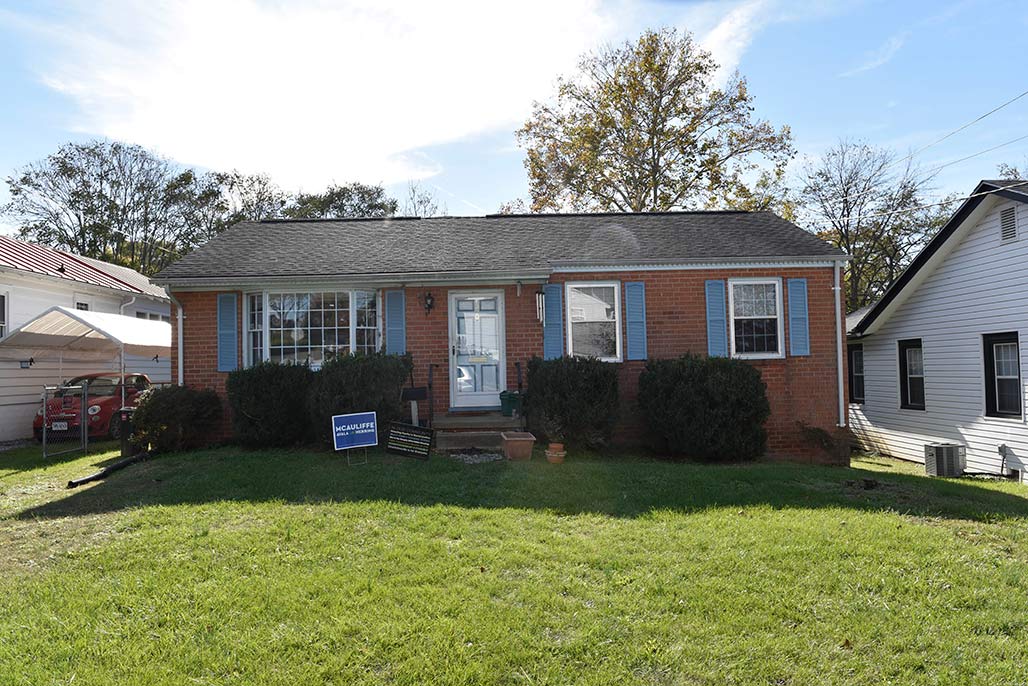
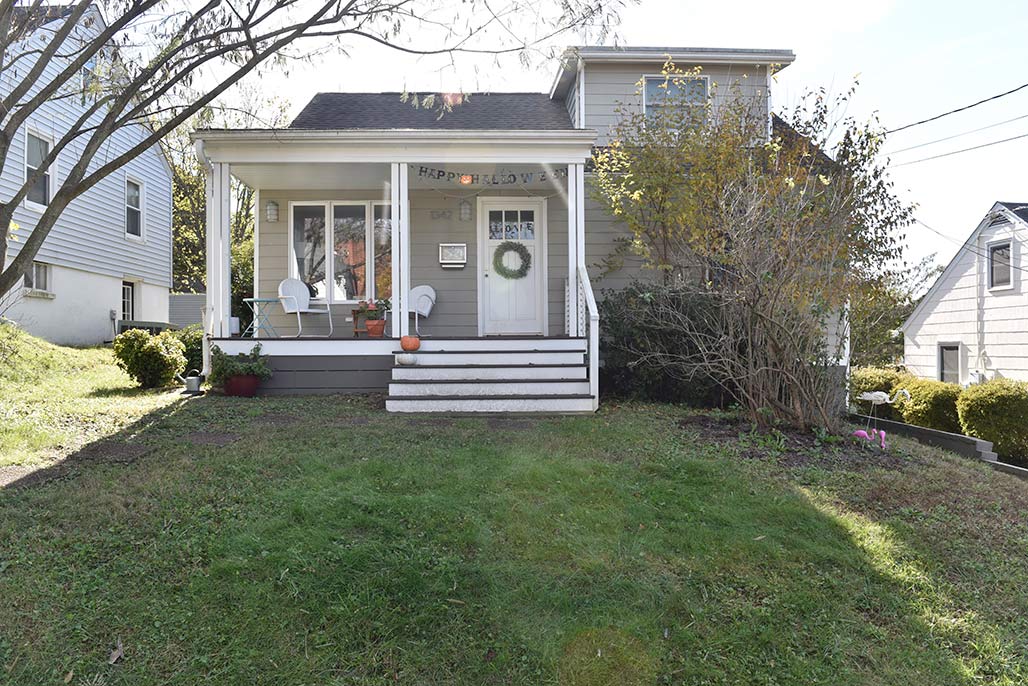
This is a tale about the 22 houses on the left. The 1300 block of Chesapeake Street.


The lots are long and skinny, they are zoned R1s, they are intended for residential use.


The crow’s eye view.

1300 Chesapeake

The houses’ average age is 75 years old, half of them were built by the end of World War II, the other half were finished at the end of the Korean War.
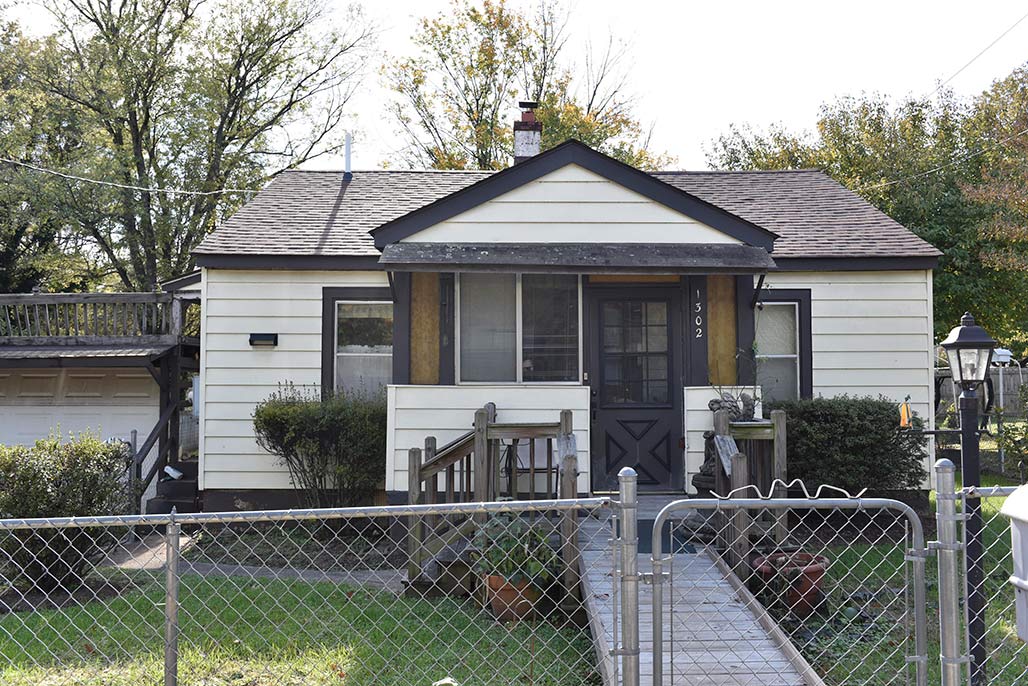
1302 Chesapeake Street

The homes were built by blue-collar people.
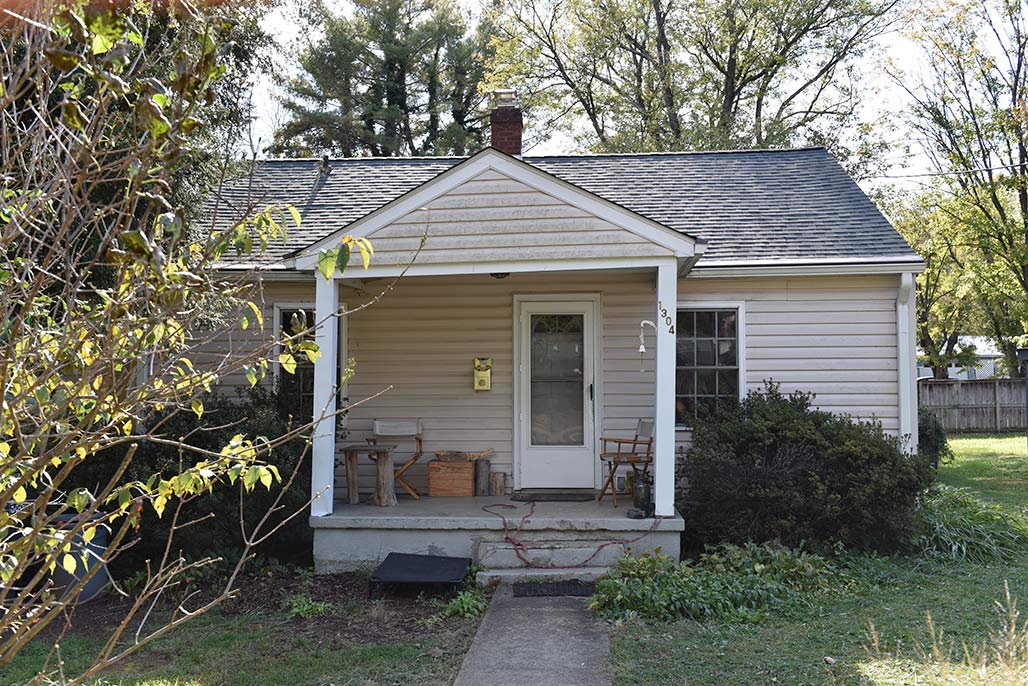
1304 Chesapeake

To this day, not one of them features a garage or a swimming pool.
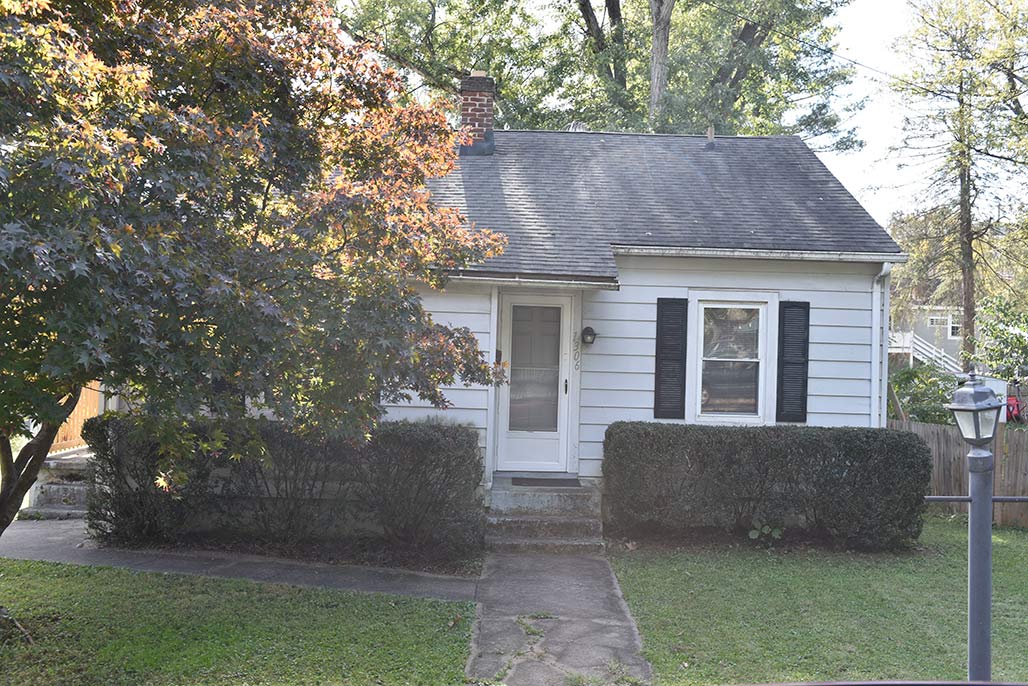
1306 Chesapeake

Nine of the houses are rented, thirteen are owner occupied
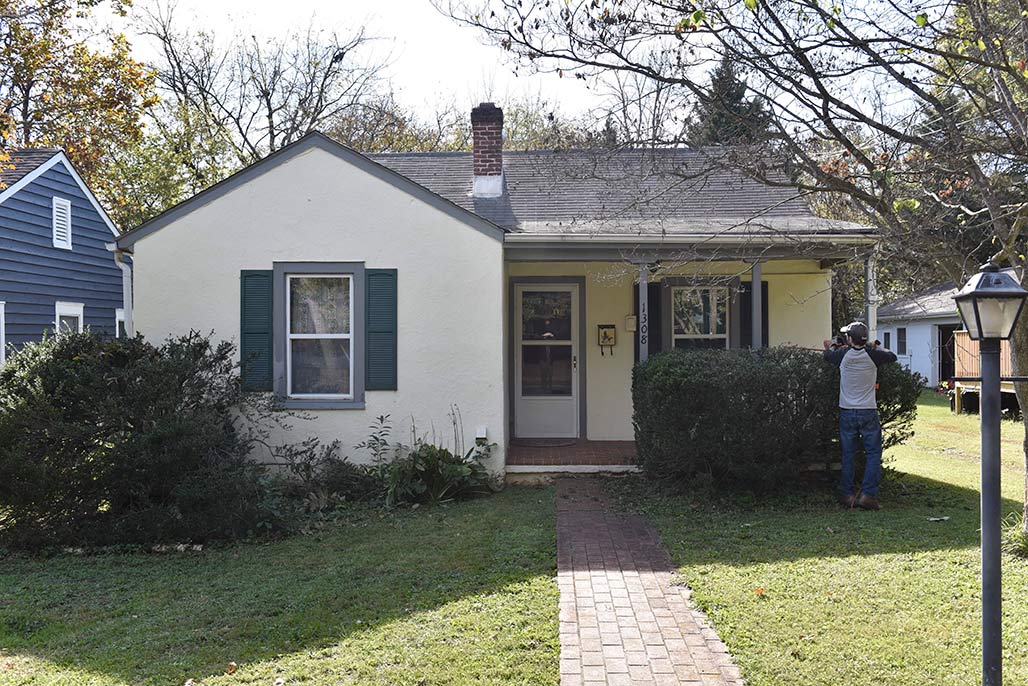
1308 Chesapeake

The houses don’t tend to flip, the average last date of sale was twenty-two years ago.
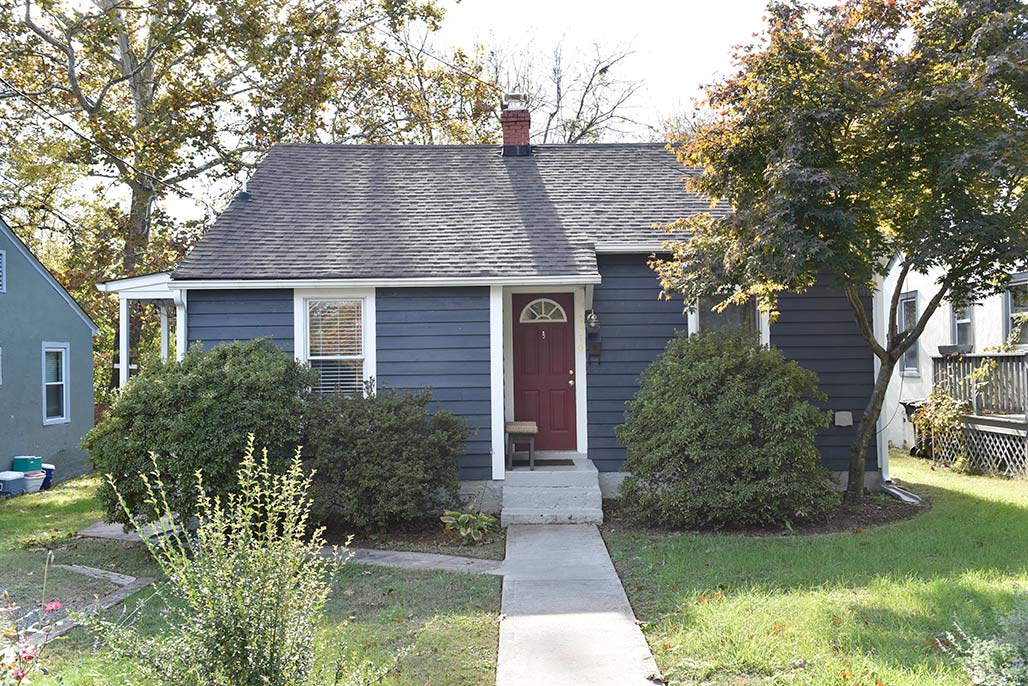
1310 Chesapeake

Over the years I’ve made the acquaintance of a handful of the residents while walking by.
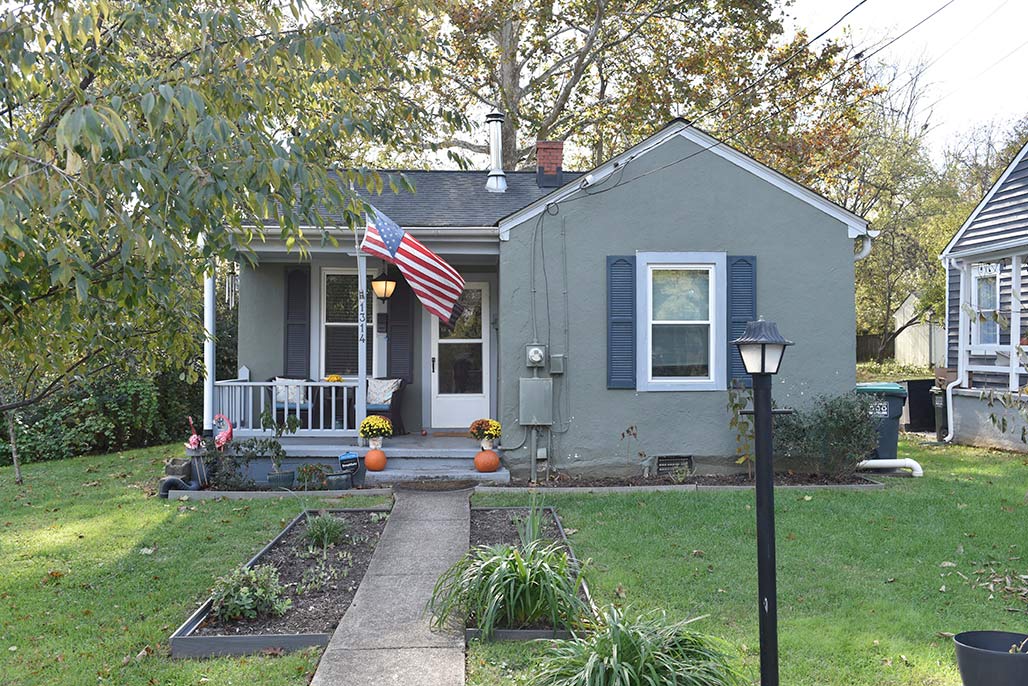
1314 Chesapeake

I’ve met a librarian, a plumber, a teacher, a postal worker, a United States Marine
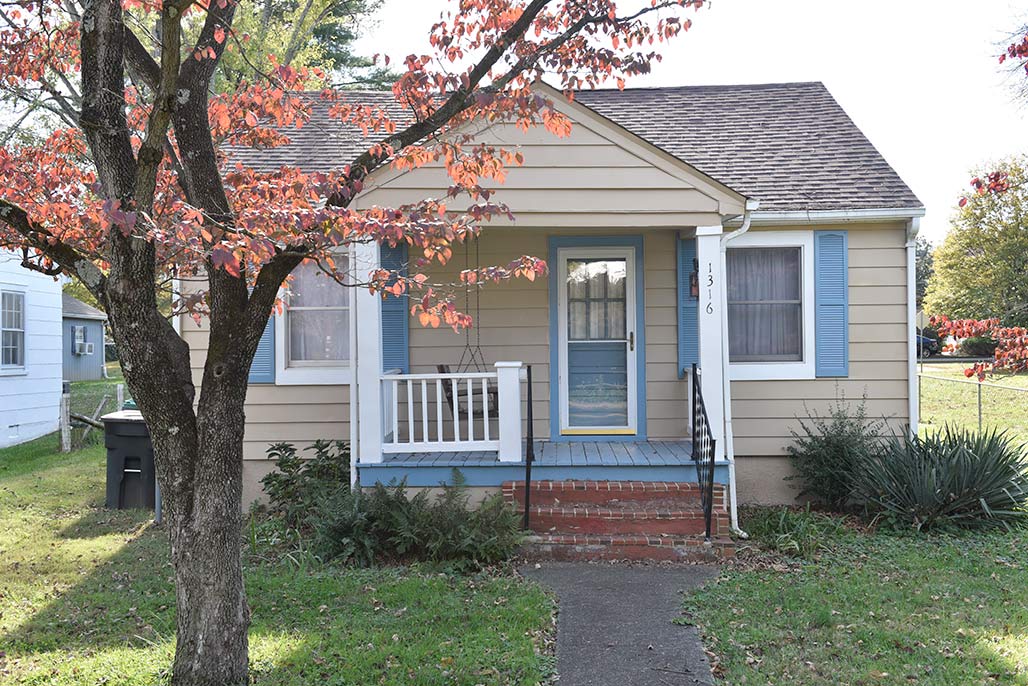
1316 Chesapeake

a boat captain, students, an X-ray tech, a museum worker and an IT person.
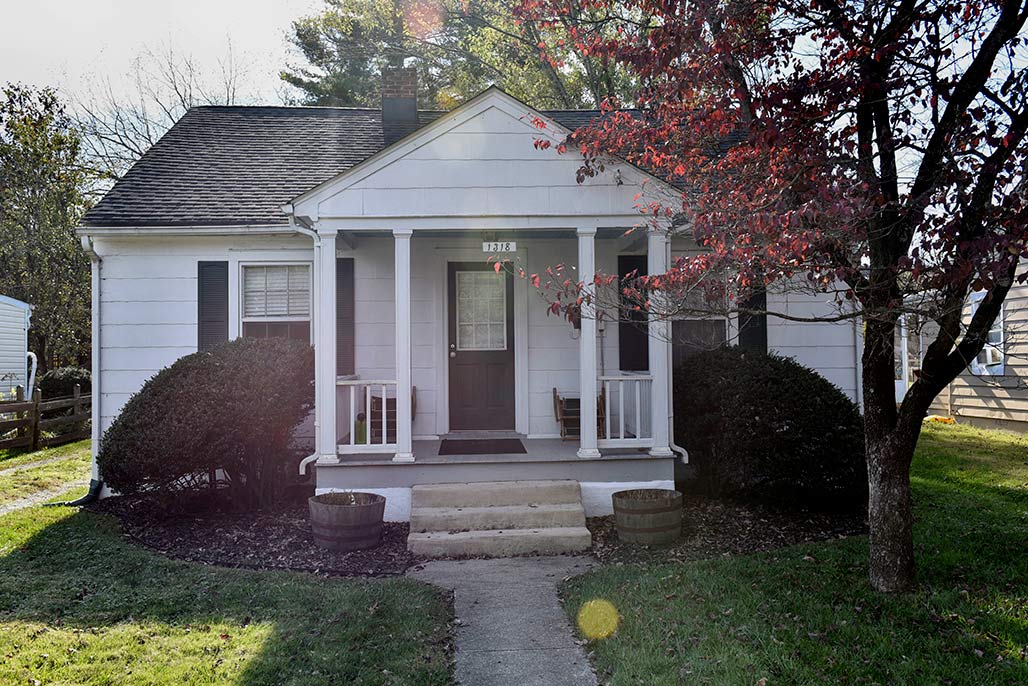
1318 Chesapeake

These houses average 1100 square feet finished living area.
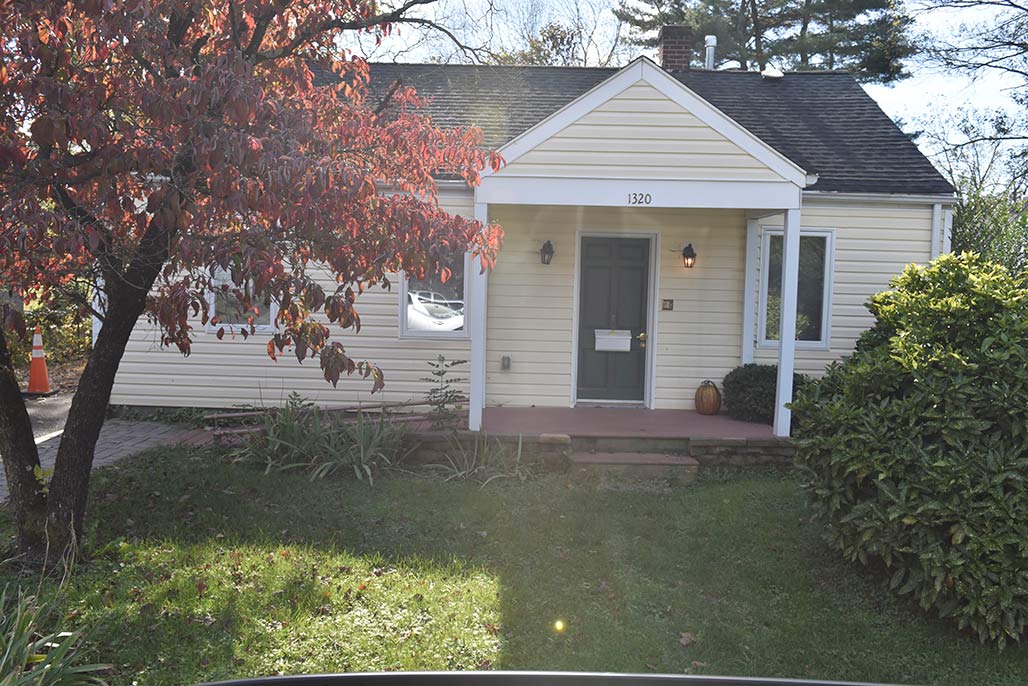
1320 Chesapeake

The average lot the houses sit on is 0.18 acres, that is five dwelling units per acre (DUA).

1322 Chesapeake

Their average assessment is 290 thousand dollars.
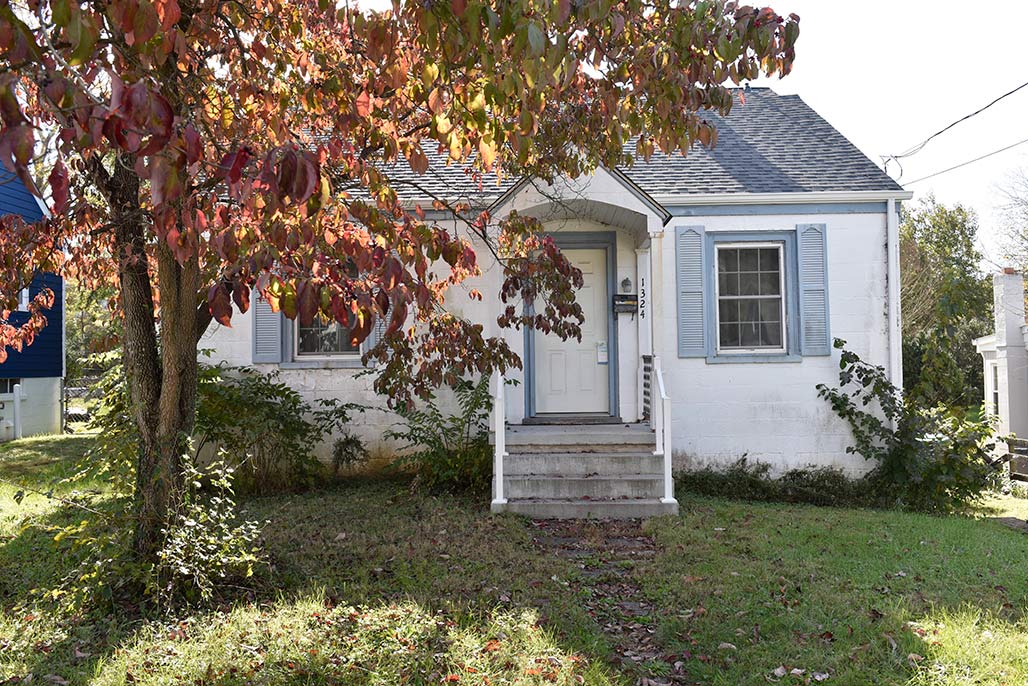
1324 Chesapeake

The 22 homes, are stable, they are occupied, they are the refuge of families who moved to the neighborhood and planned to stay.
1326 Chesapeake

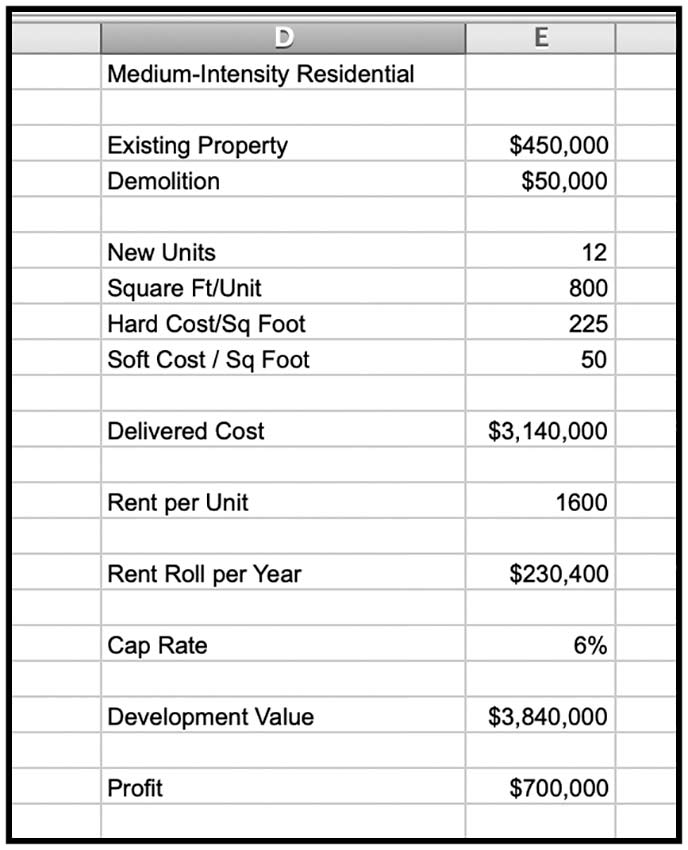
I believe that painting this block with a medium intensity residential (MIR) land use designation is not acceptable planning.
1328 Chesapeake

The MIR designation is unfair to the residents
1330 Chesapeake

The designation will target their houses for demolition, it is an economic bulldozer.
analysis

.

1332 Chesapeake

The Woolen Mills neighborhood requested a small area plan from the City in 1988.
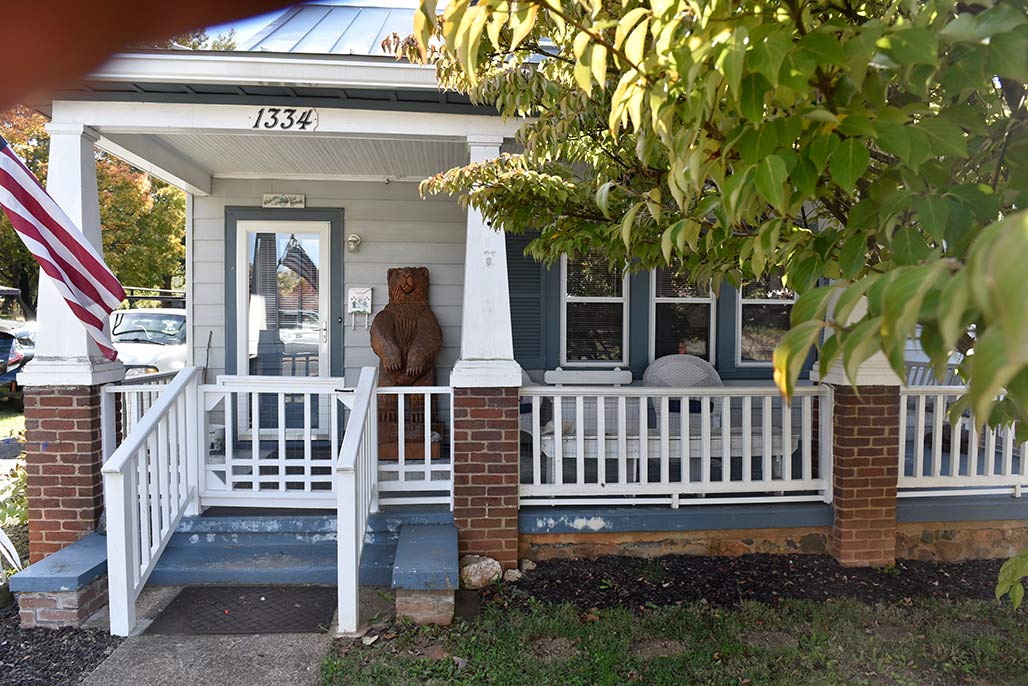
1334 Chesapeake

If the City had provided a framework for public and private investment decisions to the Woolen Mills by means of a small area planning process decades ago the current action could make sense.
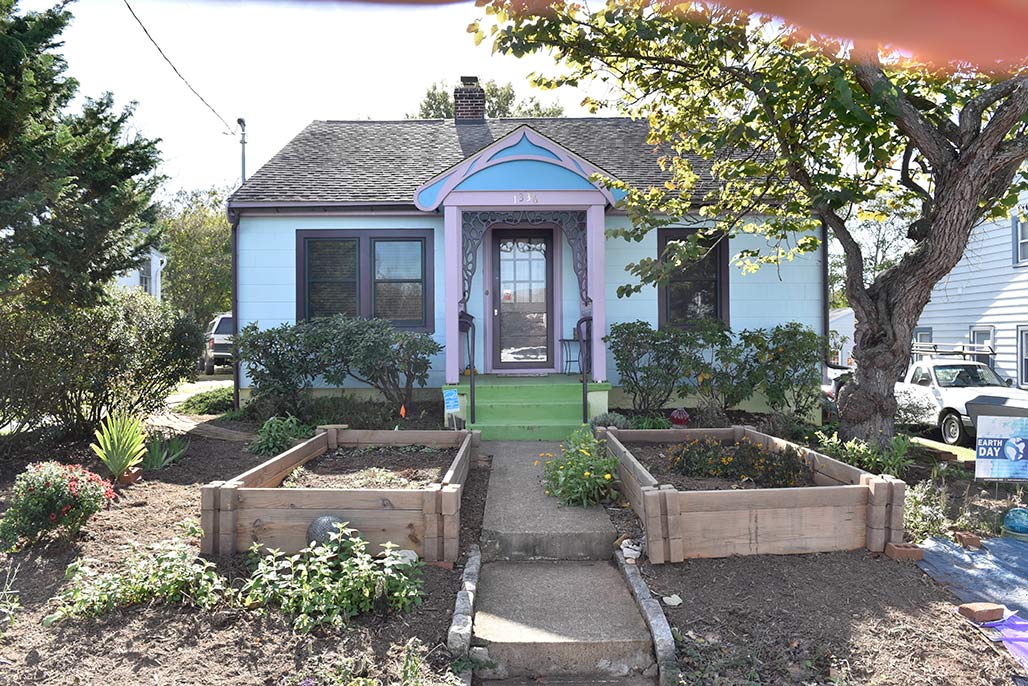
1336 Chesapeake

But there has been no small area plan.
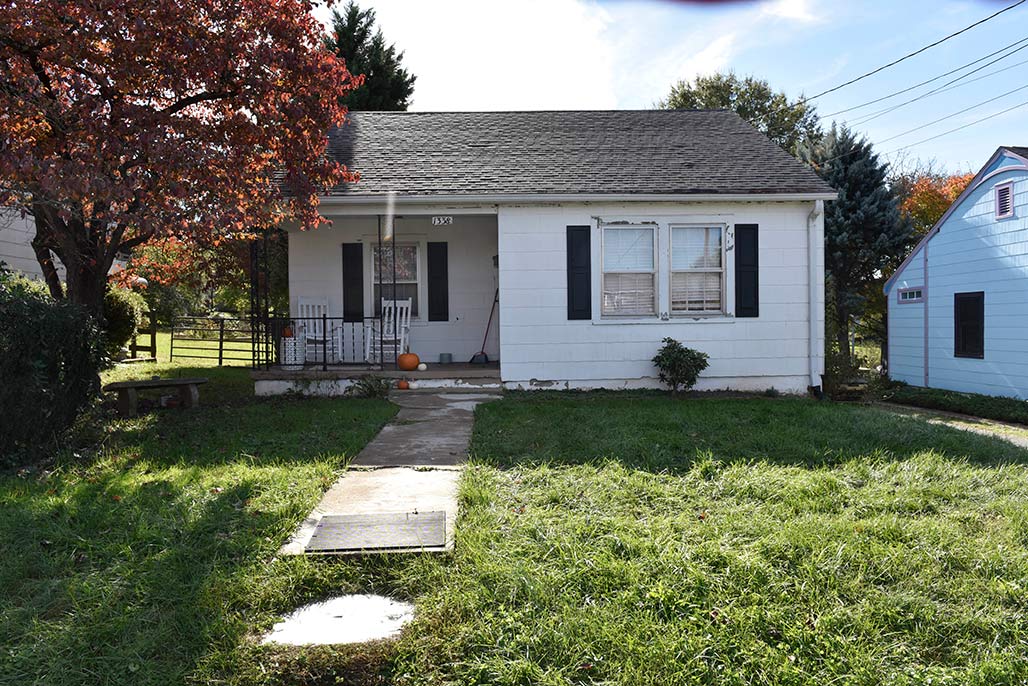
1338 Chesapeake

I encourage Council to get scientific, to use the tools of Archimedes and Galileo, math and maps.
Pick some baselines to trigger small area plans in neighborhoods with significant proposed up-zoning.
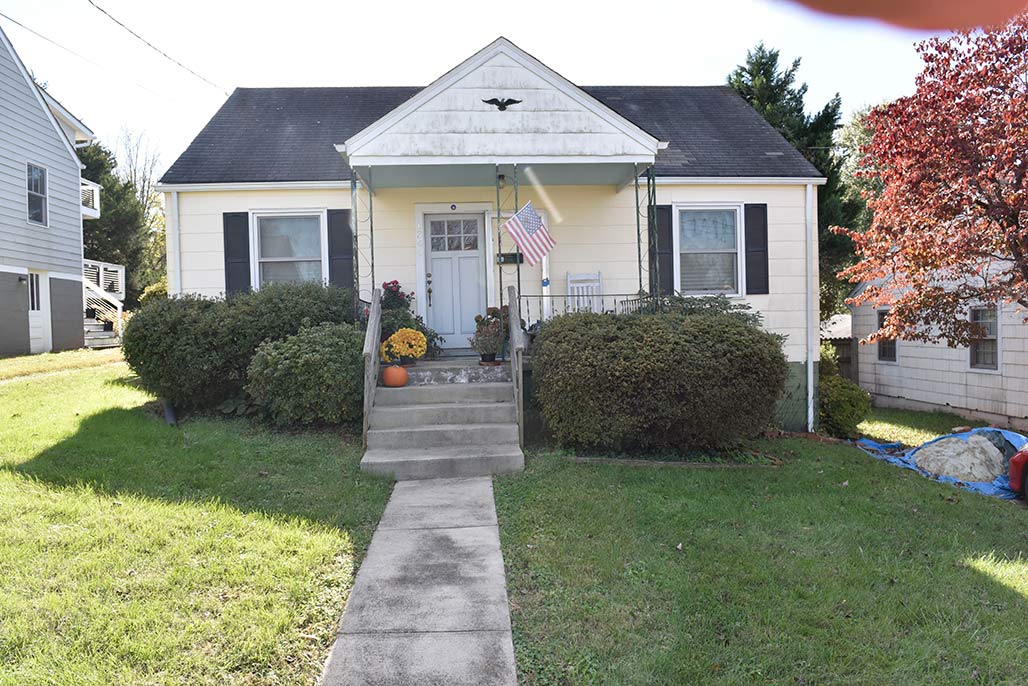
1340 Chesapeake

For example, if a rezoning will potentially displace 50% of the area’s existing residents, perform a Small Area Plan.
If a rezoning will increase DUA by more than 10X, perform a Small Area Plan.
1342 Chesapeake

Effective city planning is done by having comprehensive neighborhood plans that share the benefits and burdens required to keep the City humming along in an equitable, healthy fashion.

1344 Chesapeake

The 2021 Comprehensive Plan is intended to guide the coordinated harmonious development of the territory within the City to promote the health, safety, order, convenience, prosperity and general welfare of the city’s inhabitants.
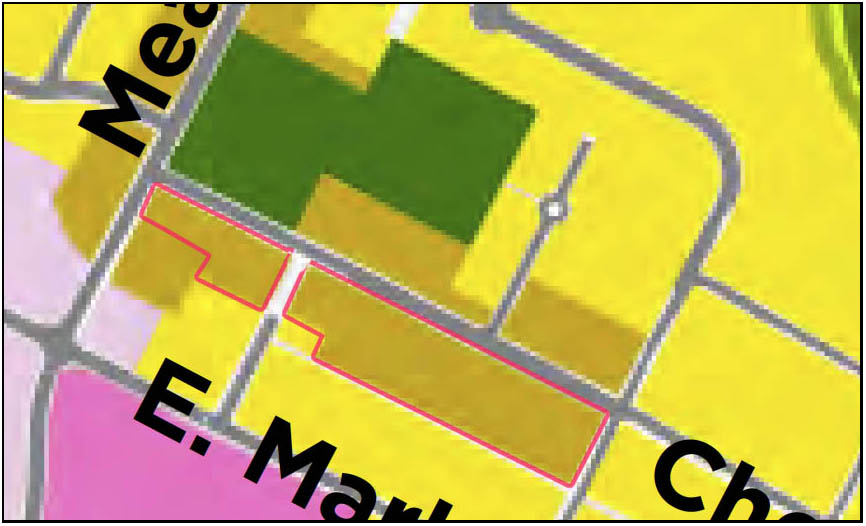
The 22 are in the beige, outlined in red.

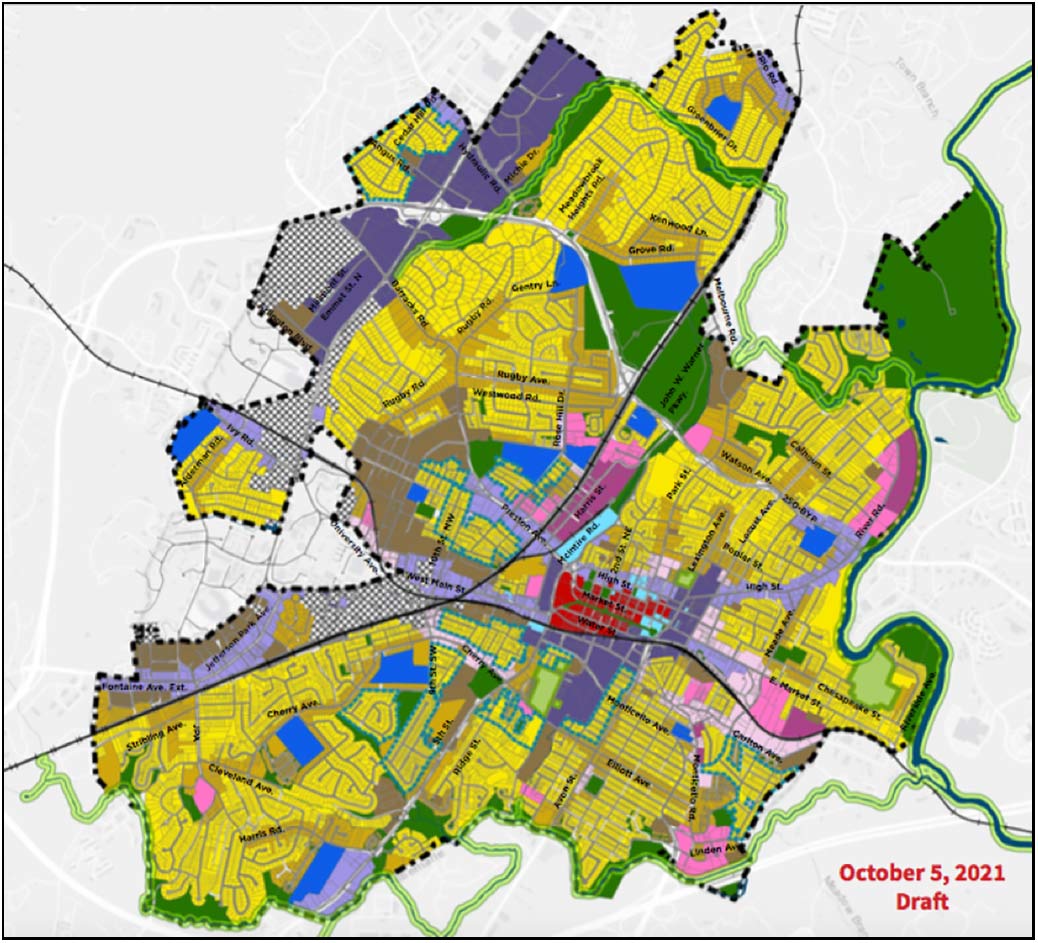
City Council will decide on the fate of these 22 houses in the next few weeks when they vote on the Future Land Use Map, a part of the not yet approved Comprehensive Plan. Currently, the map shows these humble houses being “redesignated” to a much more intense use known as “medium intensity residential”.

About the medium intensity residential (MIR) the urban planners say:

Medium Intensity Residential: Increase opportunities for housing development including affordable housing, along neighborhoods corridors, near community amenities, employment centers, and in neighborhoods that are traditionally less affordable.

In the case of the 22. These houses, on the spectrum of CHO housing, are affordable. To me, they don’t seem to fit the planners’ criteria. These houses are on a neighborhood street not a “corridor”. The houses aren’t near employment centers.
The MIR designation will potentially result in the demolition of these residences.

What could replace one of these houses once it was demolished? The planners say:

Form + Use:
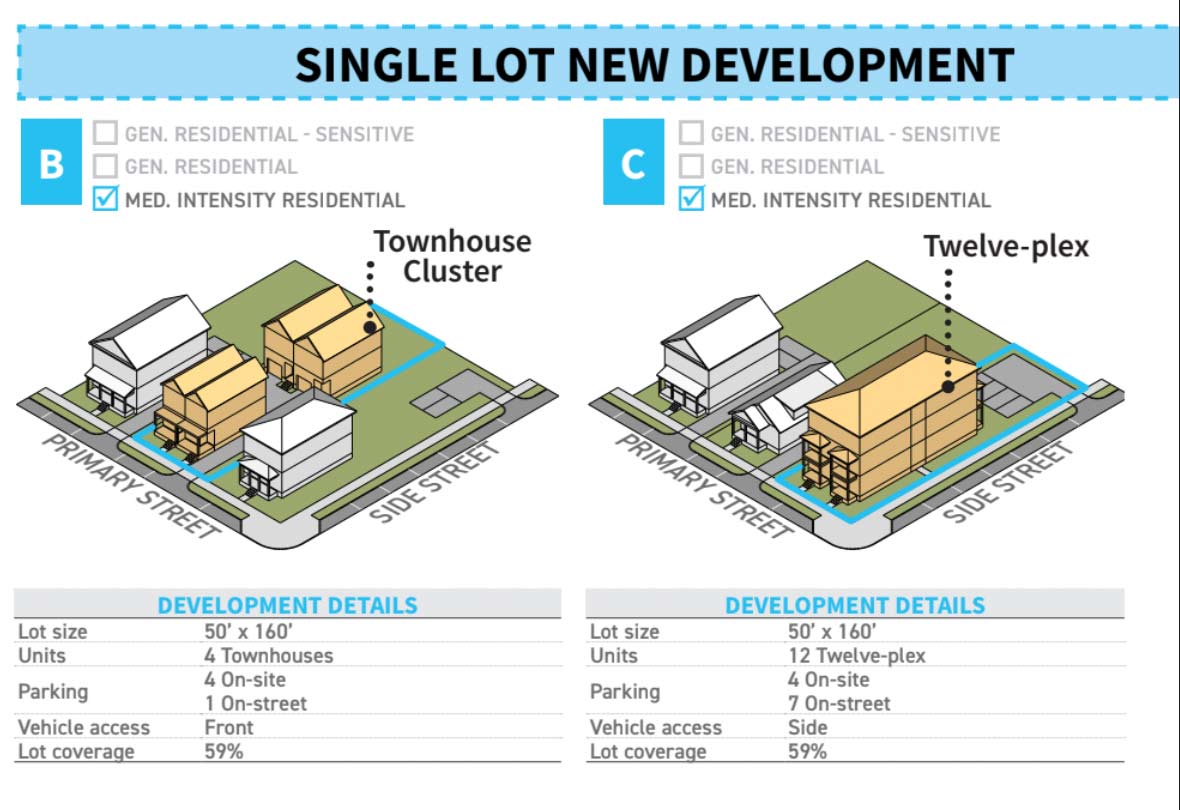
Allow up to 12 residential units (depending on site characteristics and context, to be further defined in the zoning ordinance; many areas may be limited based on lot size and other factors)
Allow structures up to 4 stories (depending on site characteristics and context, to be further defined in the zoning ordinance; many areas may be limited based on lot size and other factors)

draft Land Use Plan

All the neighborhoods in beige are similarly threatened.

Bye-bye.

(I would encourage all concerned to write to City Councilors and to participate at the Council meeting on this subject November 15, 2021. Details of how to participate are available here) https://cvilleplanstogether.com/

Medium-Intensity Residential: Maximum-Intensity Pain

Medium-Intensity Residential needs to be scaled back in both scope and intensity. It is too much to ask people who bought in R-1 neighborhoods (over 60% of the parcels designated for Medium-Intensity Residential) to accept 12-unit (and possibly larger) buildings and 4+ stories, and it is not necessary for making our housing market more flexible, given other changes under the FLUM. The areas designated – changing up the last minute — do not make sense. MIR areas actually have a lower average Walkscore than General Residential. They lack critical infrastructure and some are so far below required density to support commercial amenities that their ultimate arrival is highly uncertain. There is no precedent for buildings above 3.5 stories in most of these areas. High-Intensity residential, on the other hand, shows clear differences — high walkability, transit access, existing infrastructure and height. With MIR, we could end up with a “worst-of-all-worlds” situation of having a scattering of MFH buildings isolated from amenities. And folks living in MIR feel targeted, because there is no compelling explanation of why their blocks should face a much more extreme transformation than nearly identical blocks nearby. If you need the MIR category to exist, scale it back to a few areas already adjacent to amenities, existing density and infrastructure.–CFRP

The Comprehensive Plan can go forward without a finalized land use map. Move head with the CP, move ahead with the many non-map aspects of the Affordable Housing Plan. But the map ought to be done in conjunction with plot-by-plot zoning. This is how planning usually works.–CFRP
land use maps comp plans etc

intersection Franklin and Broadway
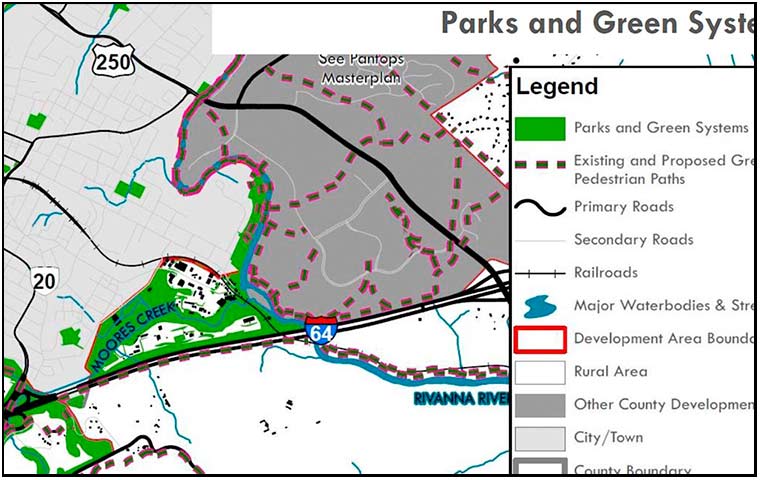
People in the City are nervous about the planning currently going on. What will the plan do to the City? How does the land use map work with zoning? What will it mean? The photo above is Franklin Hill, a forested hillside northwest of Monticello. Once upon a time the site of the Woolen Mills Park. The county land use map addresses this area, no worries! It is shown on the map. Parks and Green systems.
parks and Green systems
Nothing to worry about.